Explore the art of storytelling through verse, from ancient epics to modern ballads.
Ancient Times (pre-500 CE)
The Birth of Epic Poetry
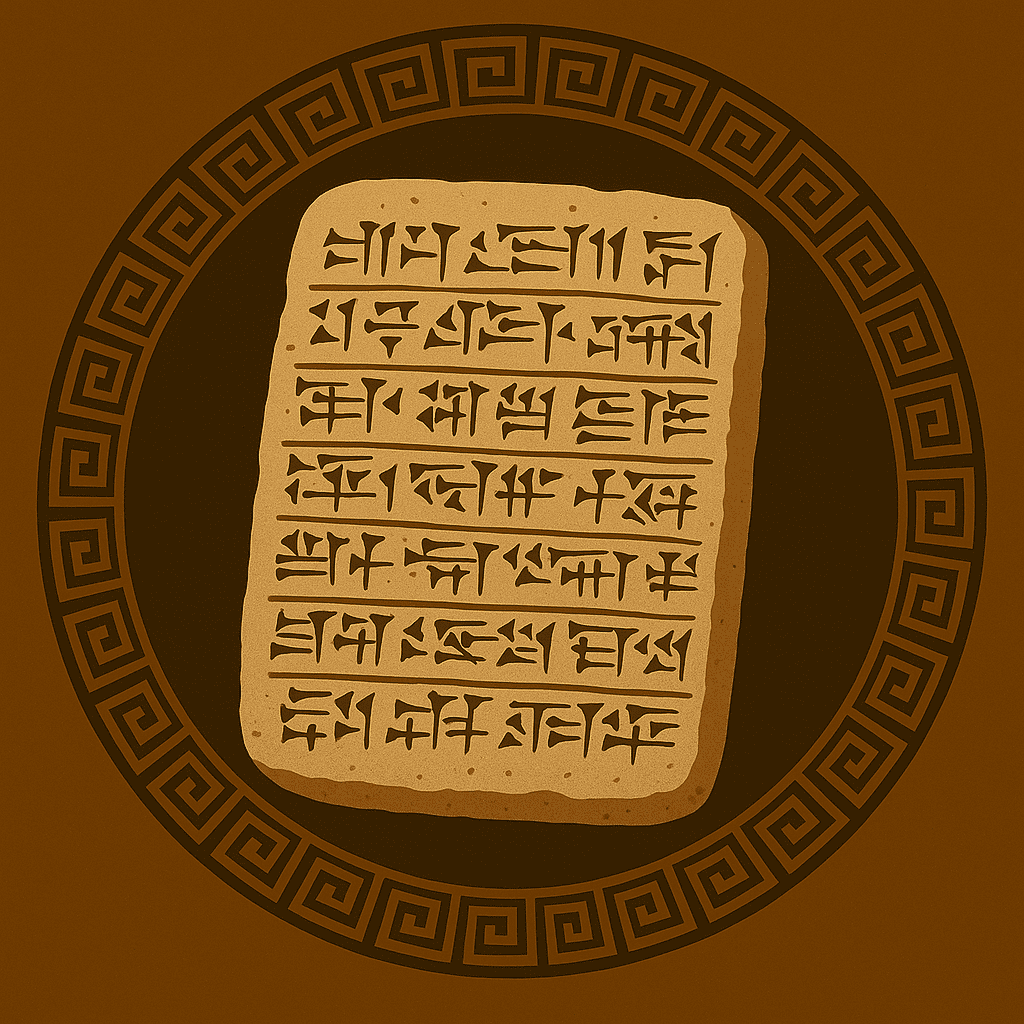
Long before Netflix binges, humans gathered around fires to hear tales of heroes and gods. These stories, rich in adventure and moral lessons, were passed down orally, eventually etched onto clay tablets. The 'Epic of Gilgamesh' from ancient Mesopotamia is one such tale, chronicling the exploits of a king in his quest for immortality. Similarly, Homer's 'Iliad' and 'Odyssey' from ancient Greece narrate epic journeys and battles, while India's 'Mahabharata' and 'Ramayana' weave complex narratives of duty, love, and war. These foundational epics set the stage for narrative poetry as a means to preserve culture and entertain.
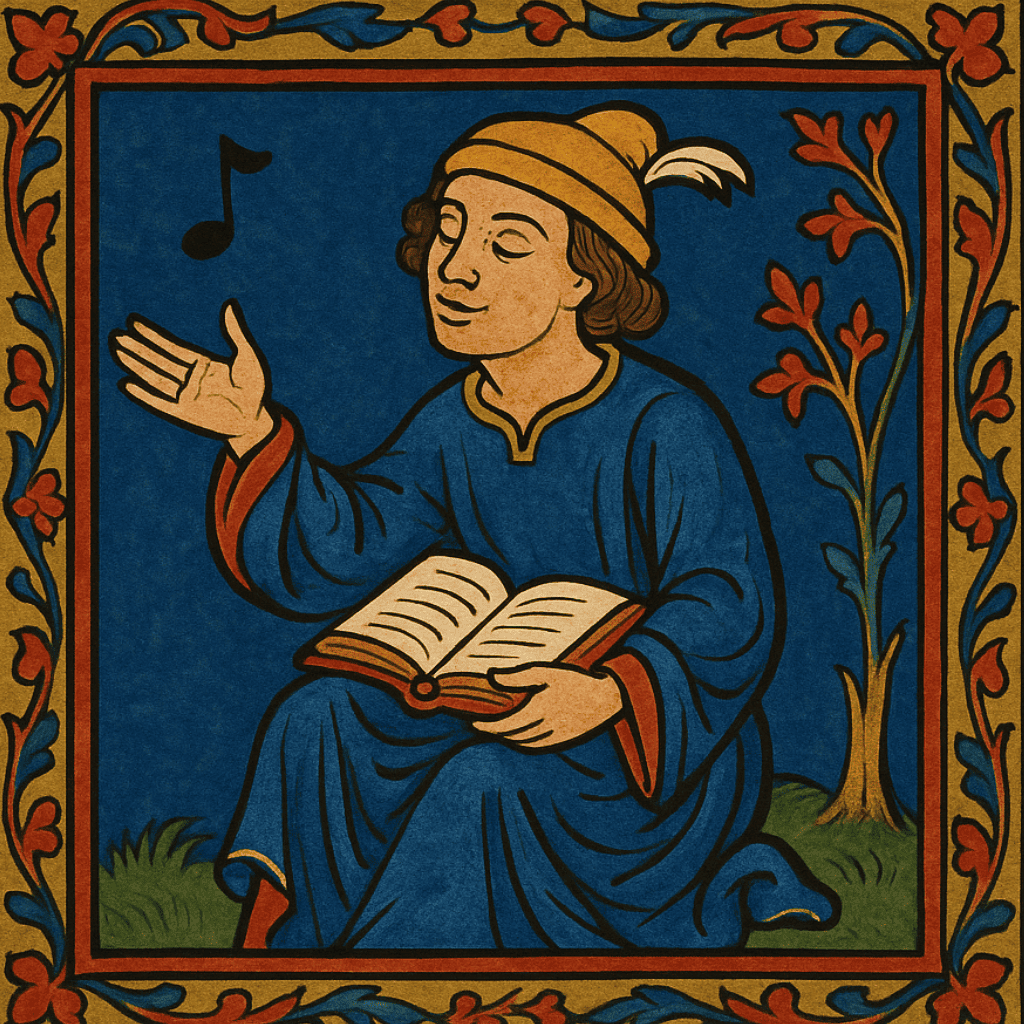
In the medieval era, storytelling took to the streets and courts through ballads and chivalric tales. These narrative poems recounted heroic deeds, romantic escapades, and moral lessons, often sung by wandering minstrels. 'Beowulf', an Old English epic, tells of a hero's battles against formidable monsters, reflecting the values of bravery and honor. Meanwhile, 'The Song of Roland' from France celebrates the valor of knights in battle. Chaucer's 'Canterbury Tales' offers a more humorous and satirical take, presenting a tapestry of stories told by pilgrims from various walks of life.
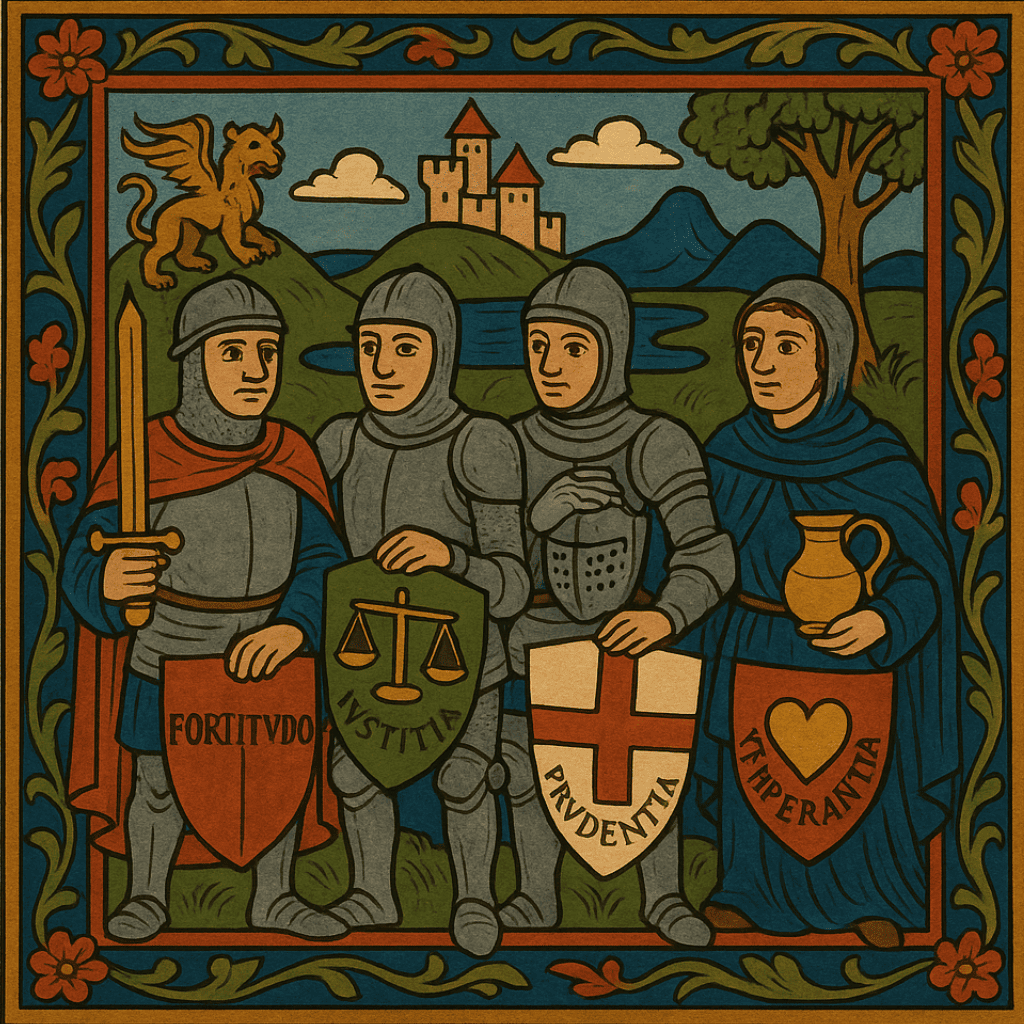
The Renaissance sparked a revival of classical forms and themes in narrative poetry. Edmund Spenser's 'The Faerie Queene' blends allegory and adventure, presenting knights embodying virtues in a fantastical realm. John Milton's 'Paradise Lost' reimagines the biblical fall of man, delving into themes of free will and redemption. This period also saw the collection and publication of traditional ballads, preserving folk narratives for posterity.
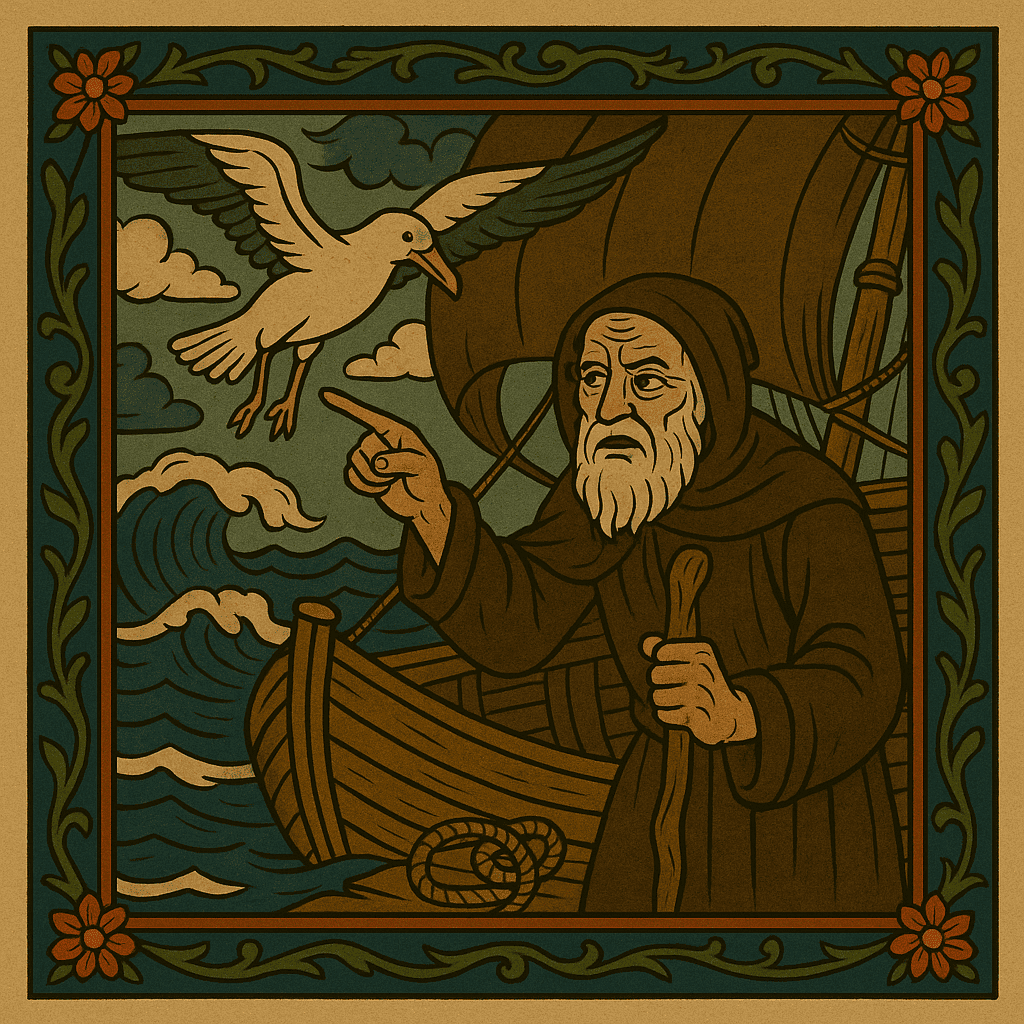
The Romantic era breathed new life into narrative poetry, emphasizing emotion, nature, and the supernatural. Samuel Taylor Coleridge's 'The Rime of the Ancient Mariner' tells of a sailor's cursed voyage, blending gothic elements with moral introspection. Lord Byron's narrative poems, like 'Childe Harold's Pilgrimage', explore the complexities of the human psyche. Alfred, Lord Tennyson's 'Idylls of the King' revisits Arthurian legends, reflecting Victorian ideals and concerns.
In the modern era, narrative poetry evolved to reflect the complexities of contemporary life. T.S. Eliot's 'The Waste Land' presents a fragmented narrative, capturing the disillusionment of the post-World War I generation. Later poets like Gwendolyn Brooks and Derek Walcott used narrative poetry to explore themes of identity, race, and colonialism. Today, the tradition continues with verse novels and spoken word performances, demonstrating the enduring power of storytelling through poetry.