Break free from the chains of rhyme and meter! Explore the liberating world of Free Verse Poetry, where structure bows to spontaneity.
19th Century
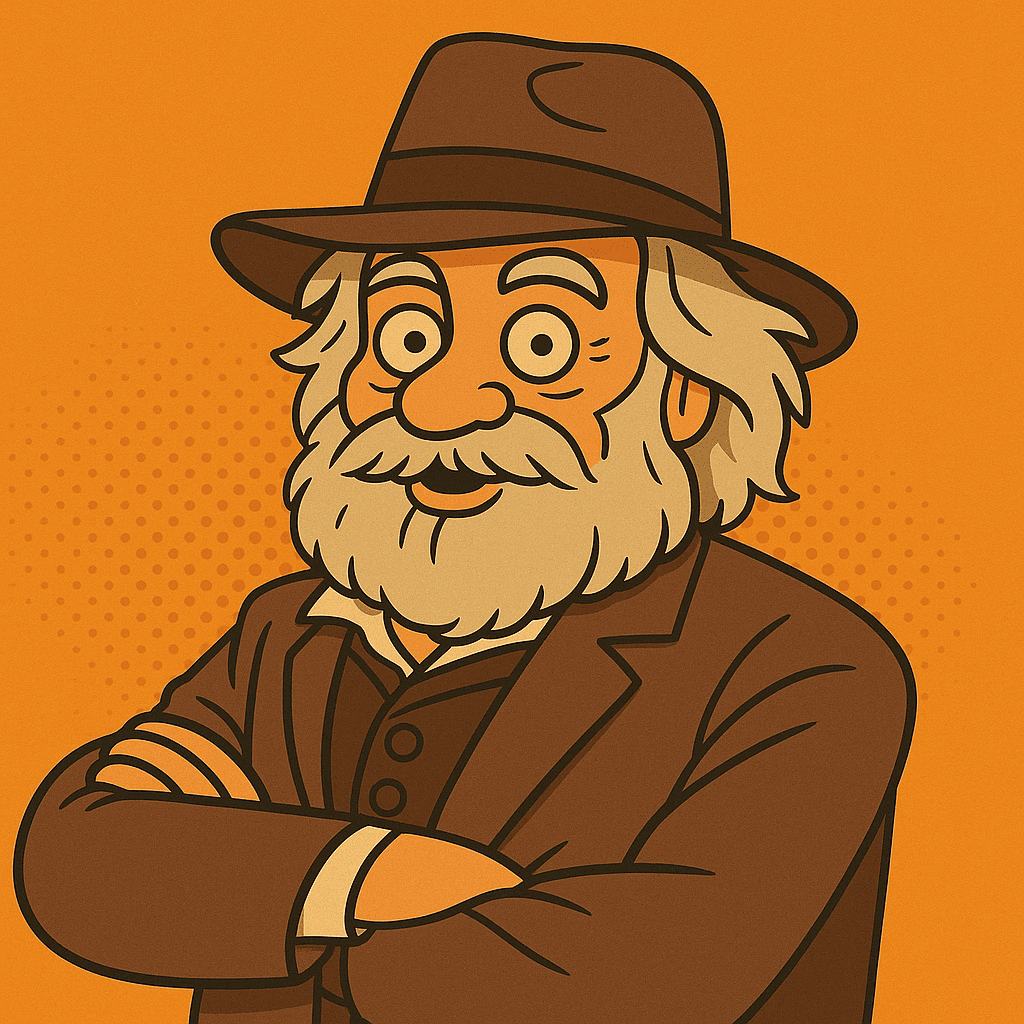
Walt Whitman and the Birth of Free Verse
Walt Whitman's 'Leaves of Grass' (1855) is often credited with pioneering free verse in American poetry, breaking away from traditional forms to capture the rhythms of natural speech.
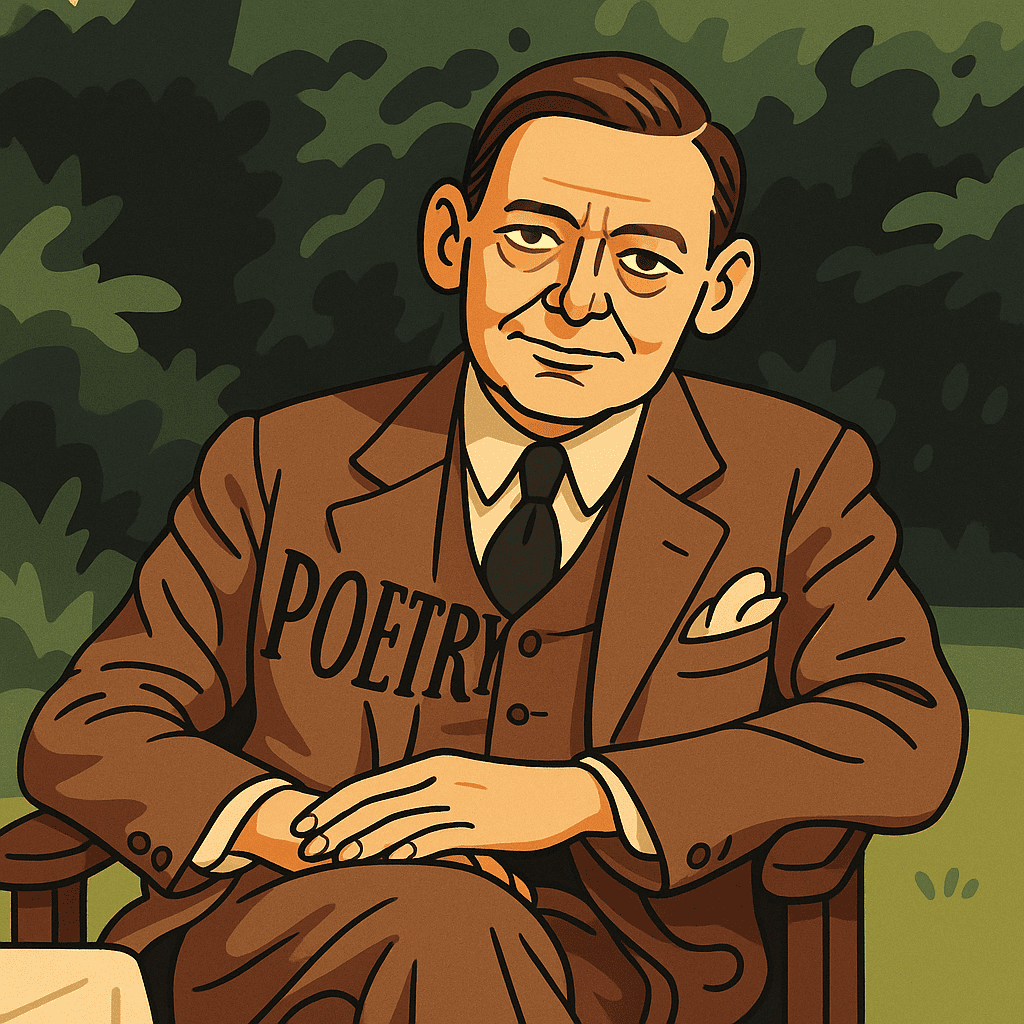
Poets like T.S. Eliot and Ezra Pound further developed free verse, using it to explore complex themes and emotions, as seen in works like 'The Love Song of J. Alfred Prufrock'.
Free verse became a dominant form, embraced by various movements including the Beat Generation and confessional poets, allowing for personal and political expression. [Source](https://www.poetryfoundation.org/education/glossary/free-verse)
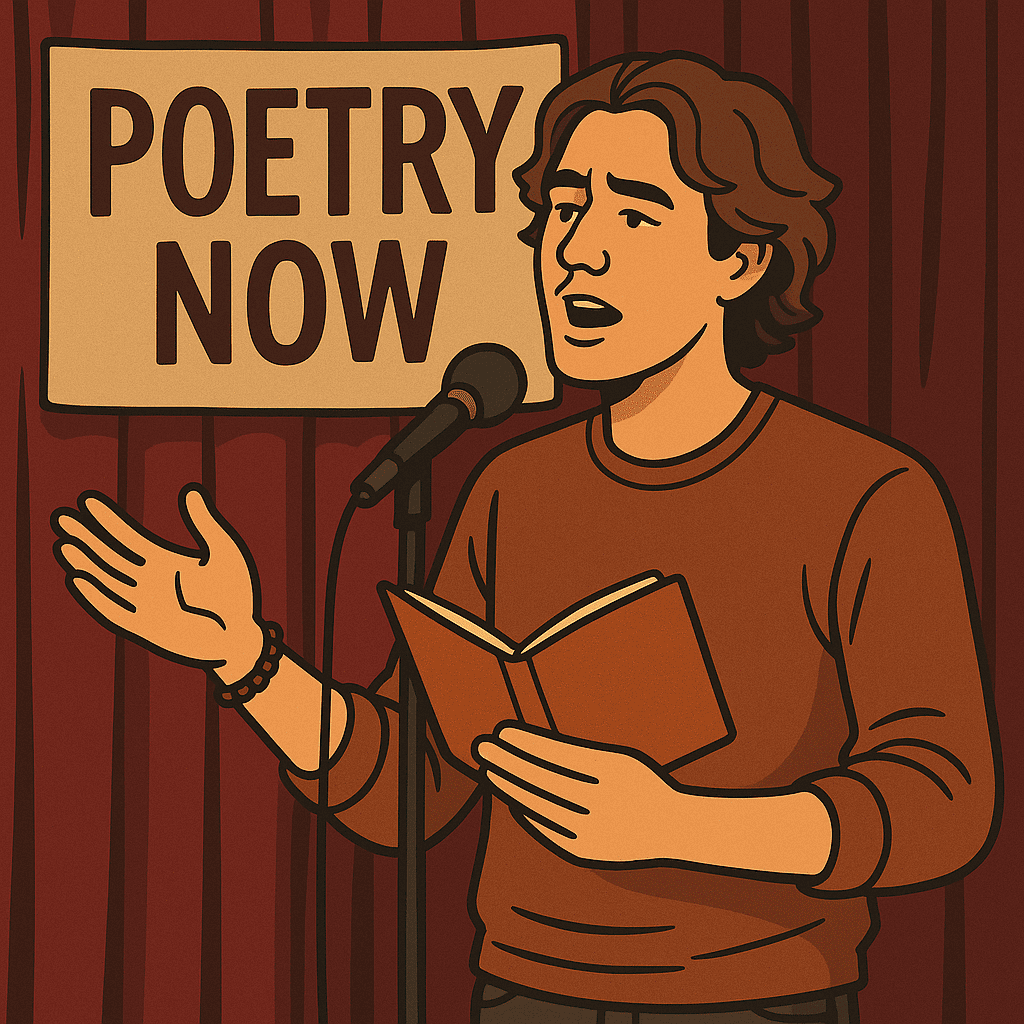
Today, free verse is a global phenomenon, with poets worldwide using it to express contemporary issues and personal narratives, reflecting its adaptability and enduring appeal.