Step into the solemn yet soulful world of Elegy Poetry—a realm where grief meets grace, and sorrow finds solace in verse. From ancient laments to contemporary tributes, elegies offer a poetic embrace for loss and remembrance.
Ancient Times
Roots in Greek and Roman Traditions
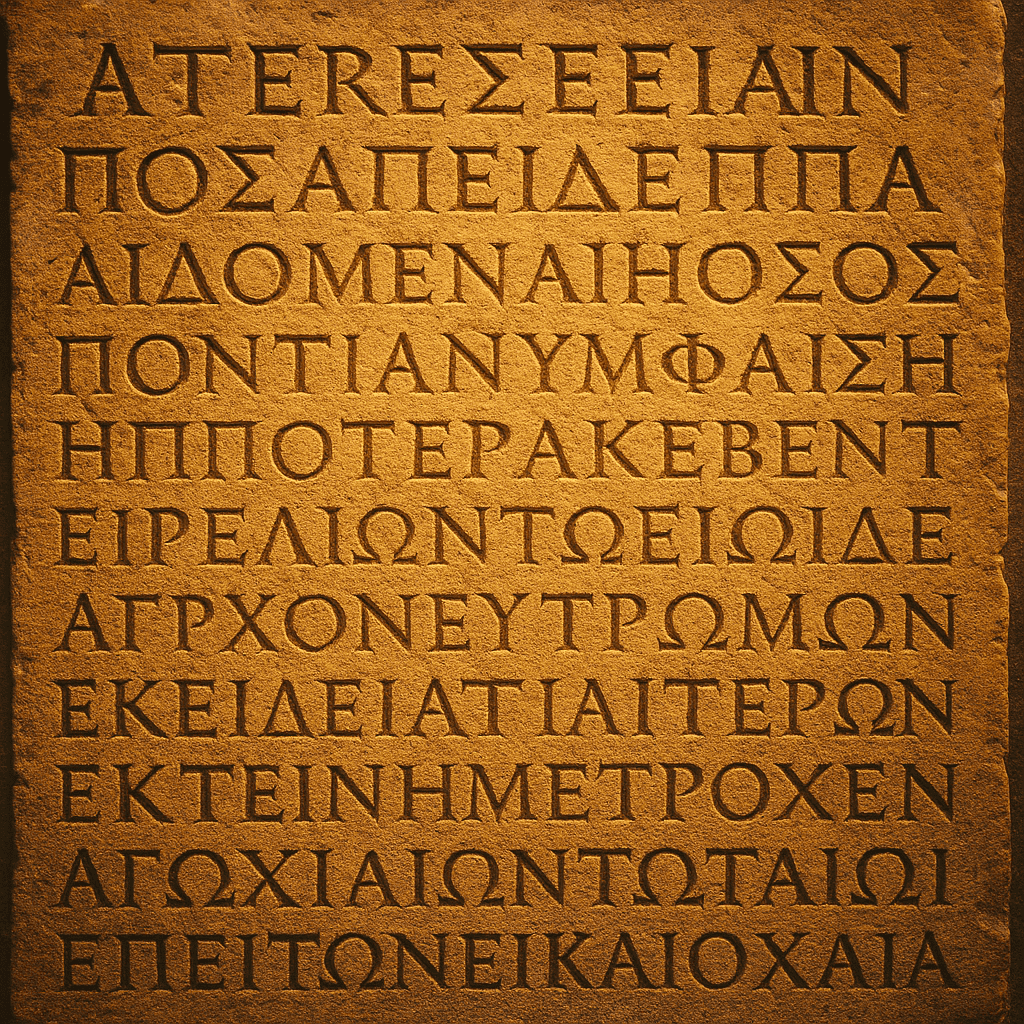
The term 'elegy' originates from the Greek 'elegeia,' referring to poems written in elegiac couplets. Initially, these poems weren't exclusively mournful but covered various themes, including love and war. Over time, the association with lamentation became predominant.
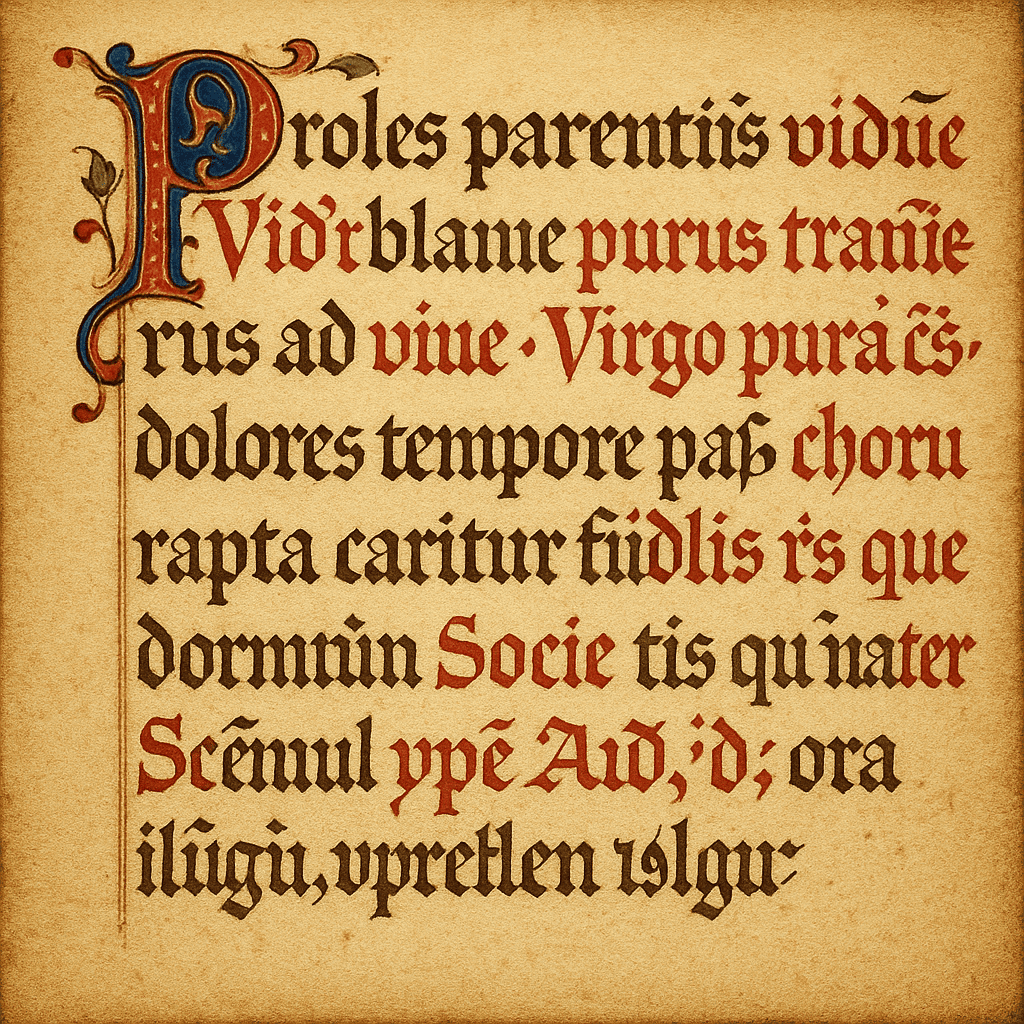
During the medieval period, elegies often took the form of religious laments, reflecting on mortality and the afterlife. These poems were influenced by Christian doctrine and were used to express sorrow and hope for salvation.
The Renaissance brought a shift towards personal expression in elegies, influenced by humanist ideals. Poets like John Milton penned works like 'Lycidas,' mourning the loss of friends and reflecting on human mortality.
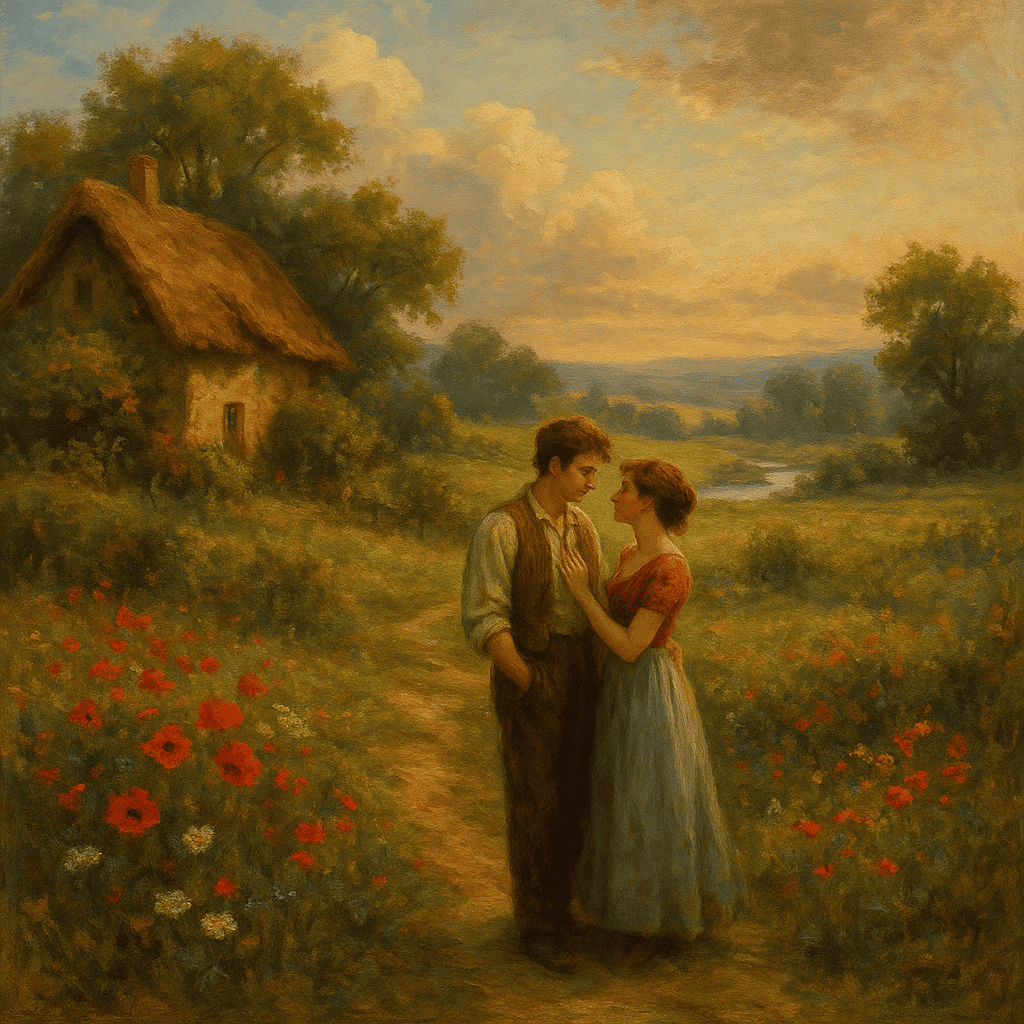
Romantic poets infused elegies with deep emotion and individualism. Thomas Gray's 'Elegy Written in a Country Churchyard' exemplifies this trend, meditating on death and the lives of common people.
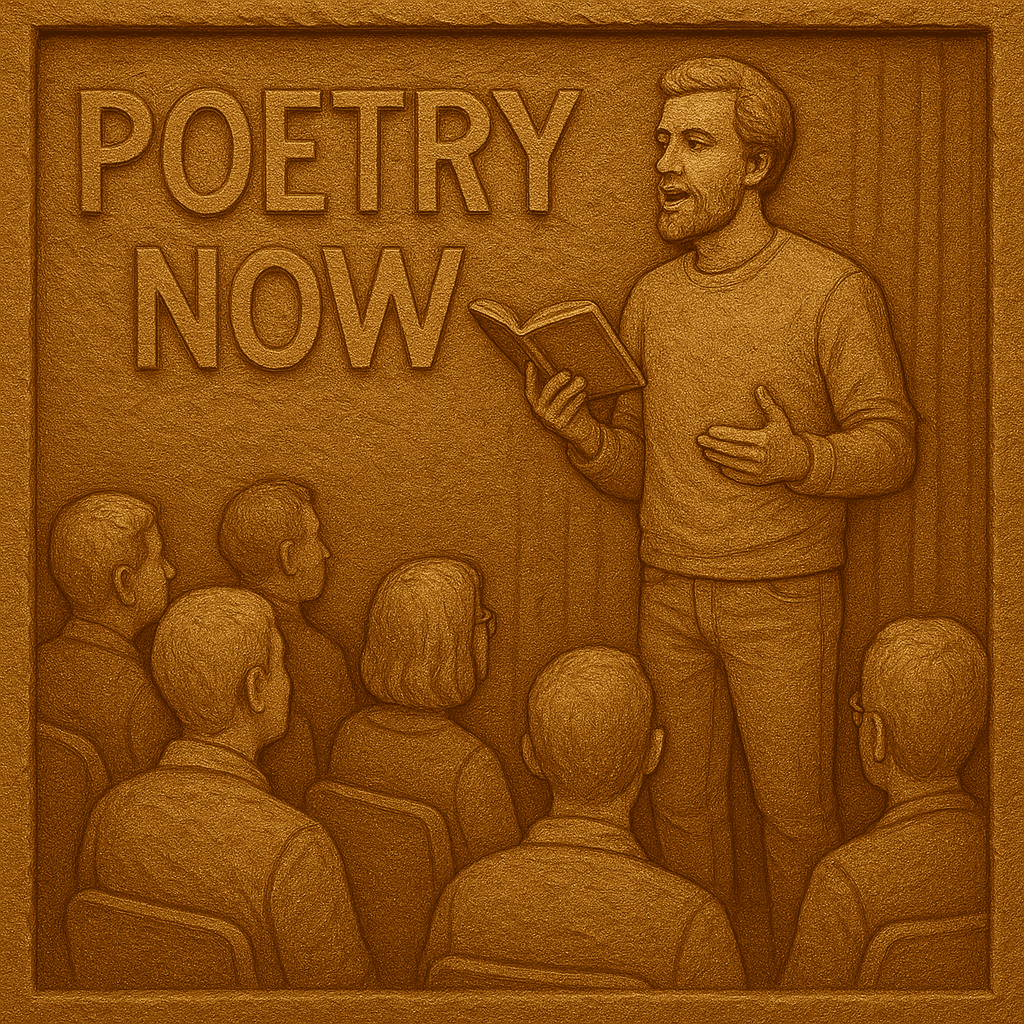
Modern elegies have expanded to include various forms and subjects, from personal loss to collective tragedies. Poets like W.H. Auden and Peter Gizzi have continued the tradition, exploring grief in innovative ways.